



The Impact of the Iran-Israel Conflict on African Economies
What could this ongoing conflict mean for Africa’s economic stability in the months ahead?
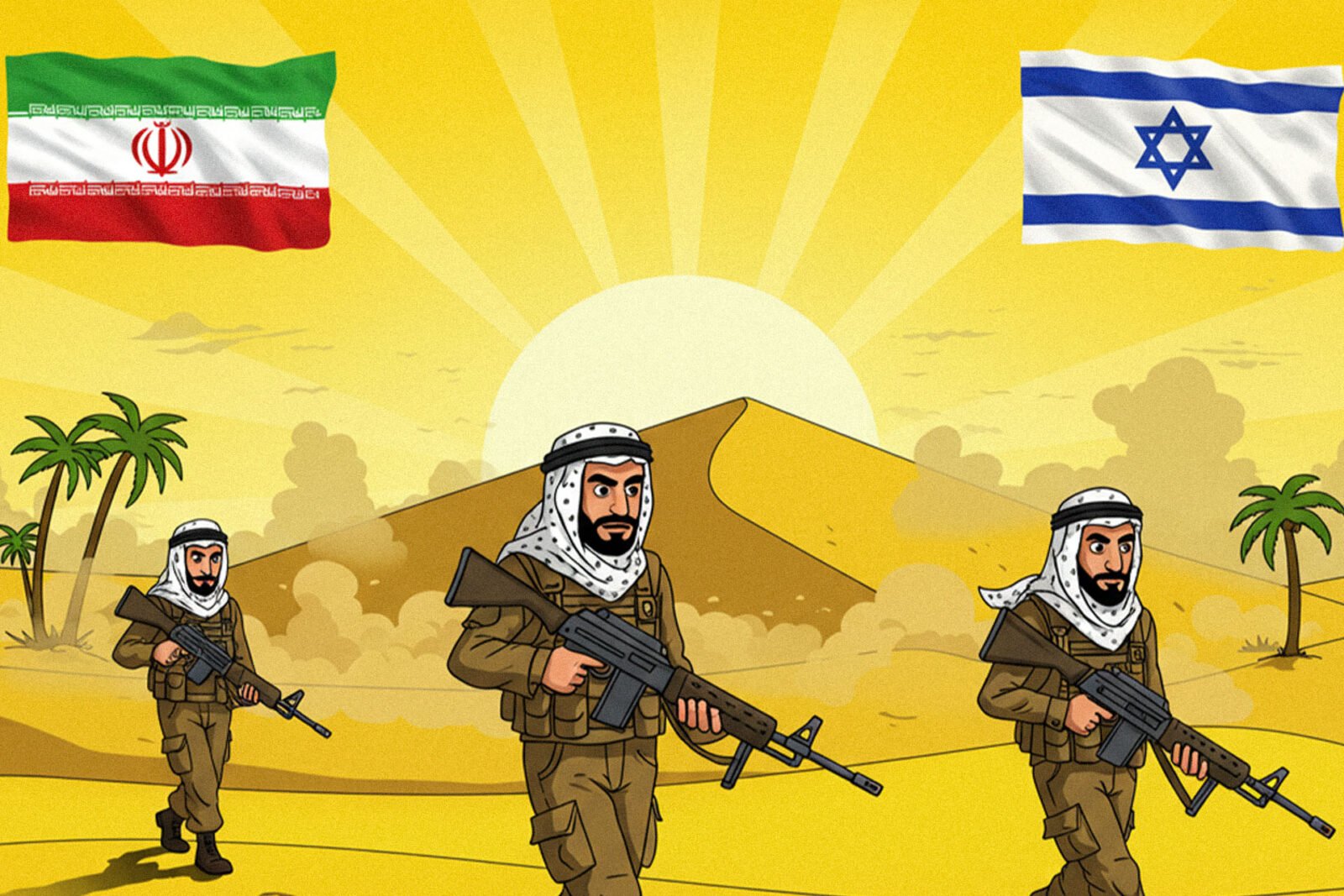
The growing conflict between Iran and Israel deeply affects African economies. It impacts everything from commodity prices to trade routes and money flows. As Middle East tensions rise, African nations face different levels of economic risk. This depends on their trade ties, reliance on certain goods, and how close they are to affected shipping lanes. What could this ongoing conflict mean for Africa’s economic stability in the months ahead?
Energy Market Disruptions
Oil Price Volatility
The Iran-Israel conflict has caused a big jump in global oil prices. Brent crude surged to $77.04 per barrel, a 5.29% increase. This price swings affect African economies in two ways:
- Oil-exporting nations like Nigeria and Angola might see more income in the short term. However, Nigeria’s oil output has dropped. It is now 1.45 million barrels per day. This limits its ability to fully benefit from higher prices.
- Oil-importing countries across the continent face higher energy costs. This means more expensive transport and production.
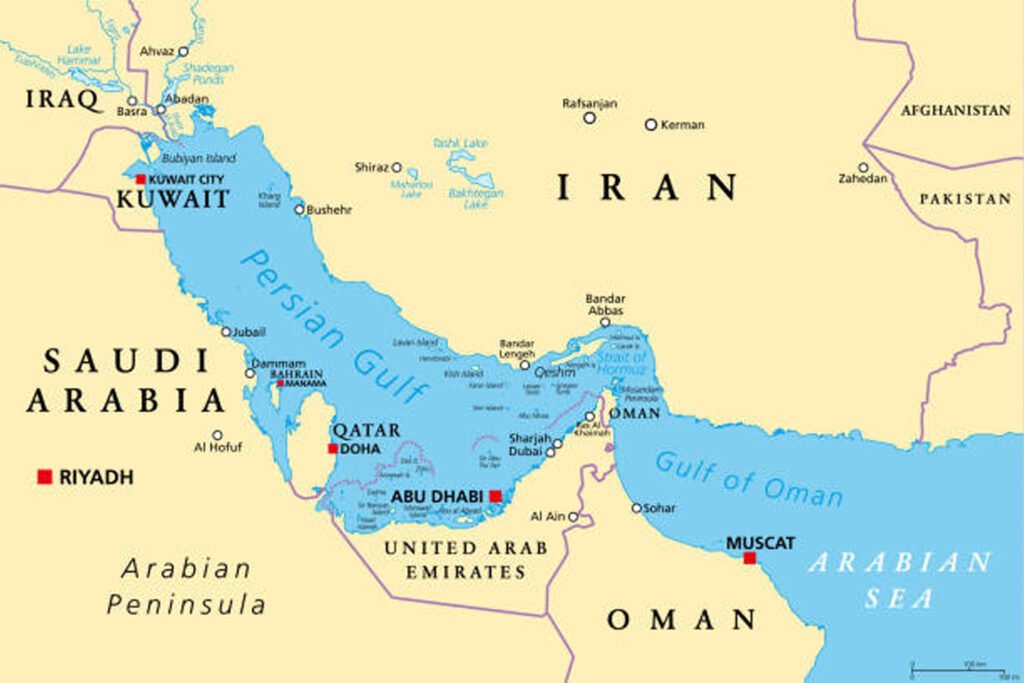
The Strait of Hormuz handles about 20% of global oil trade. Any disruption there is a major threat to African economies that rely on energy. Experts warn that if the conflict gets worse, oil prices could go over $80 per barrel. This would hit fragile economies across Africa very hard.
Natural Gas Supply Disruptions
Israel’s attacks on Iran’s South Pars gas field have partly stopped production. This affects regional gas supplies. For Egypt, which gets gas from Israel’s Tamar and Leviathan fields, this causes immediate economic problems. These include potential loss of income and energy shortages.
Trade Route Disruptions
Suez Canal and Red Sea Shipping
The conflict threatens key sea routes that African economies use for international trade. East African nations are especially at risk:
- Kenya and Tanzania face big disruptions. About 15% of Kenya’s and 10% of Tanzania’s foreign trade goes through the Suez Canal.
- Sudan (34%) and Djibouti (31%) rely even more on the Suez Canal for their trade.
Shipping companies are now sending vessels around the Cape of Good Hope. This avoids conflict areas. It adds 10-14 days to journeys from Asia to Europe. This raises shipping costs and causes delays for goods essential to African economies. These delays affect everything from manufactured items to raw materials. Time-sensitive exports, like farm products, are hit particularly hard.
Financial Market Impacts
Currency Volatility
African currencies are seeing big swings. Investors seek safer assets during global uncertainty. The South African rand, for example, first fell to a near two-month low against the dollar. This happened after reports of Israeli attacks on Iran. While it recovered a bit, currency swings keep affecting import costs and debt payments across the continent.
Stock Market Declines
Egypt’s stock market has been hit hard. It saw its biggest drop in five years. This is because regional instability worries investors. The Egyptian pound has also weakened, pushing inflation concerns. Other African markets are also feeling downward pressure as investors see higher risks from the conflict.
Gold Price Fluctuations
Gold prices have risen to nearly $3,400 per ounce. Investors buy gold as a safe asset during tensions. This trend has mixed effects for African economies:
- Gold-producing countries like South Africa, Ghana, Mali, and Tanzania may earn more from exports.
- However, gold price swings add more uncertainty to already fragile economic outlooks.
Egypt: The Most Vulnerable
Egypt is the African country facing the most immediate economic pain from the Iran-Israel conflict. Key impacts include:
- Disruption of gas supplies from Israel.
- Less tourism income due to security worries.
- Higher shipping insurance costs and vessels avoiding the Suez Canal.
- Sharp drops in its stock market and currency value.
The Iran-Israel conflict creates big economic challenges for African nations. Impacts vary based on location, trade, and economic structure. Some effects are already visible, like rising oil prices and shipping disruptions. But the full economic impact depends on how long and intense the conflict becomes.
African governments and businesses must prepare for continued commodity price swings, supply chain issues, and uncertain investments. Strategically diversifying trade partners, energy sources, and investments could help reduce some risks. However, the immediate economic outlook points to tough times ahead.




Related Articles
Trump’s Tariffs:What They Mean for African Businesses and the Future of Trade
A trade war is not just a game; it's a profound reordering...

5 Business Lessons from Africa’s Self-Made Titans
Here are five crucial business lessons gleaned from Africa's richest self-made trailblazers.

Making Connections Count – 4 Tips to Network Your Way to New Brand Opportunities
Here are four key tips to help you network successfully and open...



5 Tips for Finding the Right Clients for Your Business
Finding the ideal clients requires a strategic approach. Here are five key...

Leave a comment